Best Business Checking Account 2026: 7 Myths vs. Reality
Finding the best business checking account in 2026 requires looking past marketing fluff. We debunk 7 common myths to help your small business thrive this year.
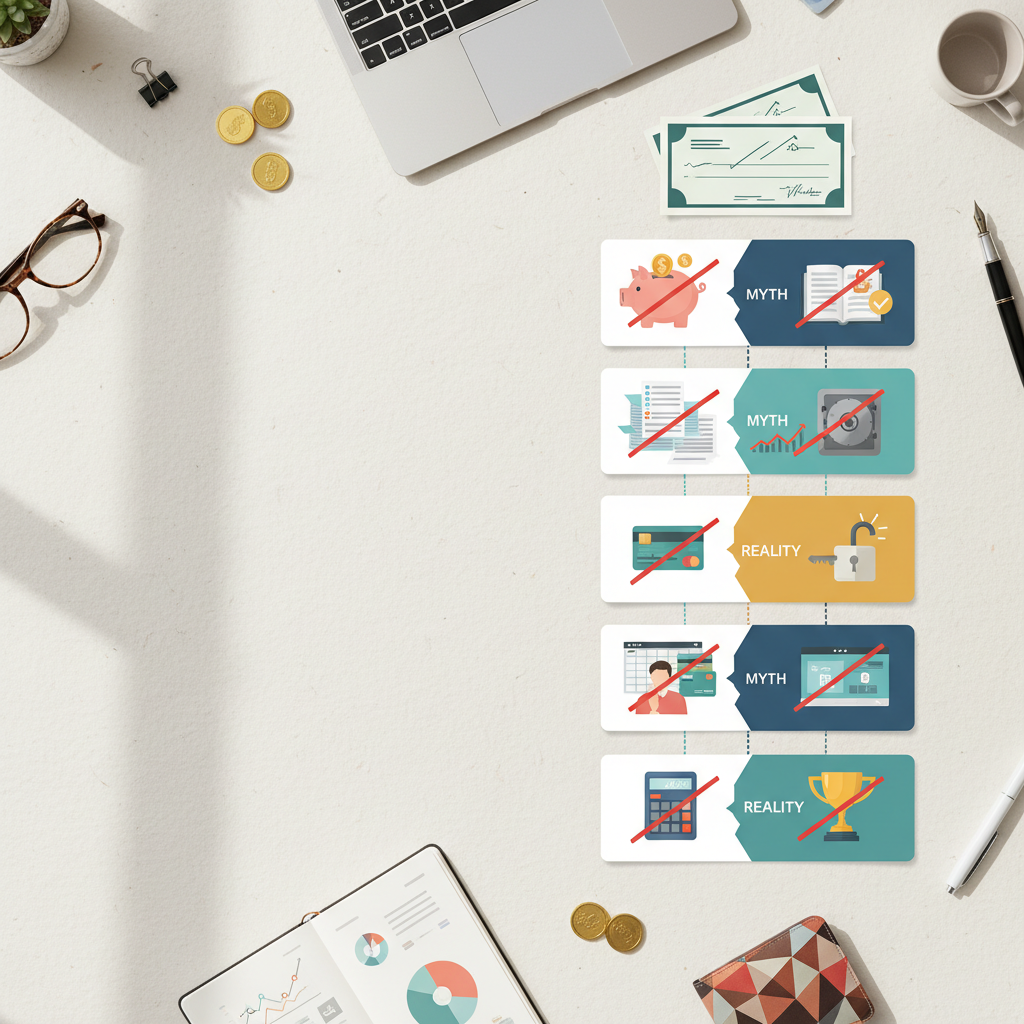
Starting and scaling a company in the current economic landscape requires more than just a great product; it requires a banking partner that aligns with your operational cash flow. Many entrepreneurs spend weeks searching for the best business checking account, only to find themselves bogged down by outdated advice or misunderstood fee structures. As of June 2026, the commercial banking market has shifted significantly, with digital-first banks and traditional institutions competing fiercely for small business deposits. To find the right fit, you must first separate the strategic realities of corporate treasury from the common misconceptions that lead to wasted capital and inefficient accounting.
Selecting a financial home for your business is a high-stakes decision. Unlike a personal account, a business checking account serves as your primary ledger for tax reporting, payroll, and vendor payments. In 2026, the difference between a mediocre account and the top-tier options can amount to thousands of dollars in earned interest or saved fees. According to the FDIC's National Rates and Rate Caps, national averages for standard accounts remain modest, but savvy business owners are looking toward high-yield commercial products to maximize their working capital.
Myth 1: The Best Business Checking Account Must Be at a Big National Bank
There is a persistent belief that the size of the bank correlates with the safety or quality of and the technological prowess of the service. For years, entrepreneurs gravitated toward the largest national institutions under the assumption that they offered the only viable commercial infrastructure. In 2026, this is simply no longer the case. Mid-sized regional banks and digital-only commercial platforms now provide treasury management tools that rival the global giants.
Many small business owners find that local or regional banks offer more personalized service, which can be critical when applying for an SBA loan or an emergency line of credit. If you are operating in California, for instance, consulting guides like the best local banks in Los Angeles, CA or the best local banks in San Diego, CA can reveal specialized commercial lenders who understand the local market better than a New York-based conglomerate. These institutions often waive fees for local businesses that larger banks might strictly enforce.
Myth 2: Business Checking Accounts Never Pay Meaningful Interest
Historically, business checking was a place where money sat idle, earning 0% while the bank profited from the float. In 2026, the rise of "Interest-Bearing Business Checking" has changed the math. While the Federal Reserve H.15 data shows fluctuations in benchmark rates, the competitive pressure among fintech firms has forced even legacy banks to offer APYs on commercial balances.
Waiting until your business is profitable to seek out yield is a mistake. Even a modest balance used for quarterly taxes can generate meaningful returns if held in the right account. If you are already managing a high-yield savings account for your personal funds, it is logical to apply that same scrutiny to your business cash. Leaving $50,000 in a non-interest-bearing account isn't just conservative; it’s an opportunity cost that could pay for a software subscription or a new piece of equipment by the end of the year.
Myth 3: Free Business Checking is Only for Very Small Side Hustles
There is a misconception that once a company hits a certain revenue threshold, it must graduate to a "paid" account with monthly maintenance fees. In the 2026 market, the concept of the best free checking accounts 2026: top no-fee bank picks has expanded into the commercial sector. Many of the top-rated accounts for businesses now offer unlimited transactions and zero monthly fees, provided you use their digital tools or maintain a basic minimum balance.
For a growing enterprise, avoiding these "leaky bucket" fees is essential. Even if you do not qualify for a completely free account, many institutions offer checking packages where the fee is offset by an earnings credit based on your average balance. This means the bank effectively pays you to keep your money there by neutralizing your service charges.
Myth 4: You Need a Physical Branch to Deposit Cash
Cash-heavy businesses, such as retail boutiques or restaurants, often feel tethered to a brick-and-mortar branch on the corner. While having a local teller is convenient, the 2026 banking ecosystem has introduced mobile cash deposit networks. Many digital-only business accounts now partner with retail chains—like Walgreens or CVS—allowing business owners to deposit physical currency via a secure app-generated barcode.
Compare this to a standard personal account; the requirements are vastly more complex. For instance, when you are mastering checking account direct deposit requirements in 2026, you realize that for a business, this isn't just about receiving money—it is about managing the outward flow to employees and contractors efficiently. An account that doesn't offer easy ACH origination is a hindrance to your growth, no matter how low the fees are.
Myth 6: You Can Use Your Personal Account for Your Business Initially
This is perhaps the most dangerous myth of all. Many freelancers and new LLC owners believe they can wait until they are "successful" to open a dedicated business account. In reality, commingling personal and business funds is a recipe for legal and tax disasters. The IRS Small Business and Self-Employed Tax Center explicitly recommends keeping business and personal expenses separate to maintain the "corporate veil" and simplify audits.
Even if you are just starting out, opening a separate commercial account is a fundamental step in professionalizing your operation. It allows you to clearly track categorized expenses, which is vital when you realize what you must know about checking account interest taxes in 2026. If your business earns interest, those earnings must be reported on a different schedule than your personal 1040, and having a clean paper trail is the only way to avoid headaches during tax season.
Myth 7: Online-Only Banks Are Less Secure Than Traditional Institutions
Security concerns often lead business owners to stick with the "name brand" banks they've known since childhood. However, digital-native banks in 2026 often employ more rigorous multi-factor authentication and real-time fraud monitoring than legacy systems built on 40-year-old mainframe code. Every legitimate online bank for businesses maintains FDIC insurance through their own charter or a partner bank.
Commercial Banking by the Numbers 2026
Security in 2026 isn't just about the vaults in a building; it's about encryption and the ability to freeze a lost business debit card instantly from your phone. Whether you are managing your daily operations or looking to maximize your growth: best credit union savings rates for 2026, the digital infrastructure is the primary line of defense. Online commercial banks are now the standard, not the exception, for modern security protocol.
How to Choose the Best Business Checking Account for Your Workflow
To identify the best business checking account for your specific needs, you must audit your monthly transaction volume. Most accounts are tiered based on how many "free" transactions you get—which includes checks paid, ACH transfers, and deposits. If you have a high volume of transactions, a bank that offers unlimited activity is paramount. If you maintain a large balance, skip the "free" account and look for one that offers interest or an earnings credit to offset the cost of premium treasury services.
Furthermore, consider your future financing needs. A bank is not just a place to store money; it is a relationship. Having your business checking at an institution where you eventually want to secure a mortgage or an equipment loan can streamline the application process. Banks often look at your historical cash flow within their own ecosystem to determine your creditworthiness.
| Feature | Common Myth | 2026 Market Reality |
|---|---|---|
| Monthly Fees | Always required for professionals | Mostly $0 with digital or balance waivers |
| Interest Yield | 0% is the standard for checking | Competitive accounts pay 3.50% - 4.25% APY |
| Minimum Balance | Must keep $10k+ to be taken seriously | Many top picks have a $0 minimum |
| Cash Deposits | Only possible at a physical branch | Supported via massive retail partner networks |
| Security | Branches are safer for deposits | Cloud encryption and FDIC insurance are standard |
The Role of Fintech and Innovation As we move through the middle of 2026, keep an eye on how artificial intelligence is being integrated into business checking platforms. Some of the most innovative banks now offer "predictive cash flow" tools that warn you if your upcoming bills will exceed your current balance based on historical patterns. This kind of proactive banking was once reserved for Fortune 500 companies but is now available to any LLC or sole proprietor with the right account.
Don't forget the importance of the onboarding experience. The best business checking account should be one you can open in 10 minutes from your laptop, not one that requires a four-hour appointment at a branch across town. Modern banks allow you to upload your Articles of Organization and EIN documentation digitally, getting you up and running with a virtual card in hours.
Final Thoughts on Commercial Selection Your bank account is the heartbeat of your business. If it is sluggish, expensive, or isolated from your other financial tools, it will eventually slow your growth. By debunking these myths, you can focus on what actually matters: a bank that protects your capital, offers a competitive return on your balance, and integrates flawlessly with the software you use to run your life. Whether you choose a local credit union or a global fintech leader, make sure the decision is based on the 2026 data, not 20th-century assumptions.
Frequently asked questions
- Yes. Many banks allow you to open a commercial account as soon as you have an EIN and your formation documents, even if you haven't made your first sale yet.
Related articles
See all →
Best Free Checking Accounts 2026: Top No-Fee Bank Picks
Looking for the best free checking accounts 2026 has to offer? Compare top-rated no-fee bank accounts with no monthly maintenance fees or minimum balance requirements.

ChexSystems Explained: How to Get a Bank Account in 2026
Learn ChexSystems explained how to get a bank account even with a negative history. Discover consumer reporting secrets and second-chance options for 2026.

Mastering Checking Account Direct Deposit Requirements in 2026
Comprehensive 2026 data on checking account direct deposit requirements, including fee waivers, bonus eligibility, and how automated payroll transfers impact your monthly costs.
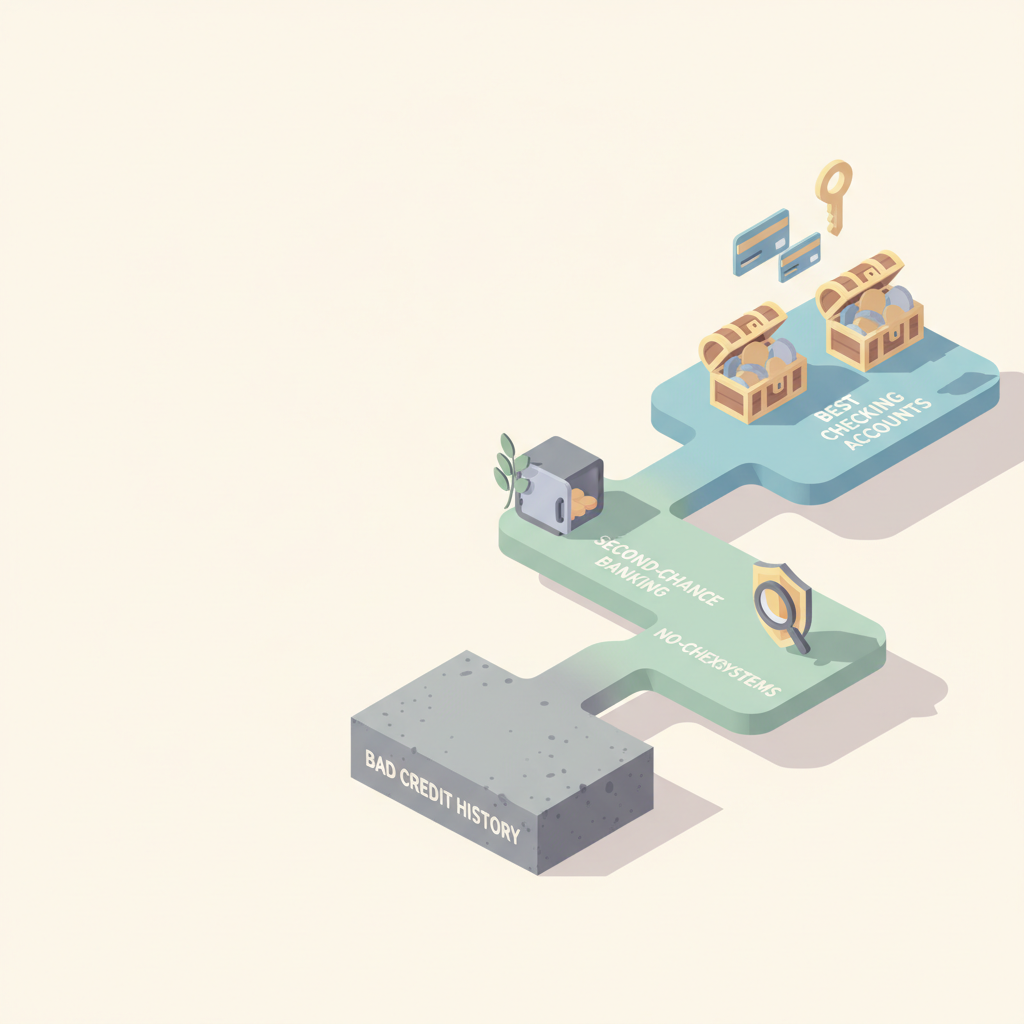
Best Checking Accounts for Bad Credit of 2026: No-ChexSystems Picks
Looking for the best checking accounts for bad credit in 2026? Learn how second-chance banking and no-ChexSystems accounts can restart your financial journey today.