Online Checking vs Traditional Checking: Which Is Best in 2026?
Deciding between online checking vs traditional checking in 2026? Learn how digital perks, brick-and-mortar access, and fee structures compare in this detailed guide.
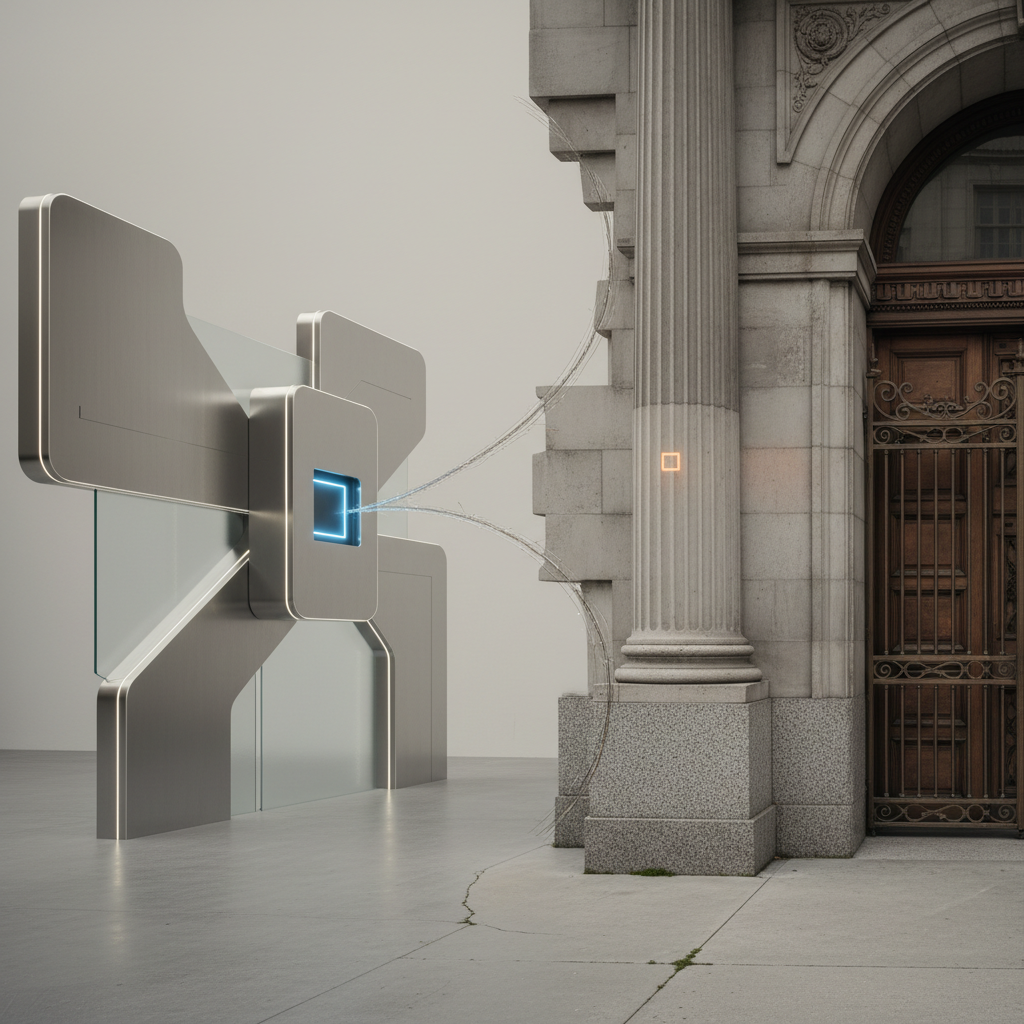
Understanding the nuances of online checking vs traditional checking is a fundamental step toward modern financial health. As we move through 2026, the lines between digital-only apps and legacy neighborhood banks are blurring, yet the core differences in fees, accessibility, and technology remain stark. Whether you are looking for the absolute highest yields or the comfort of a face-to-face teller interaction, your choice of checking account dictates your daily cash flow efficiency. This comparison will break down every critical factor to help you decide which model fits your lifestyle.
What are the primary differences between online checking vs traditional checking?
The debate between online checking vs traditional checking center on infrastructure and overhead. Traditional checking is offered by "brick-and-mortar" institutions that maintain physical branches and staffed at-the-counter services. These banks, which include large national chains and local favorites like the best local banks in Chicago, IL, offer tangibility. You can walk in to deposit cash, get a document notarized, or speak with a manager about a complex loan.
Online checking, conversely, is provided by digital-first institutions that lack physical branches. By eliminating the cost of real estate, utilities, and branch staff, online banks often pass these savings to the consumer in the form of higher interest rates and lower fees. According to the FDIC's National Rates and Rate Caps, the national average for checking interest remains significantly lower than what top-tier online platforms offer. In 2026, this gap remains influential for those who treat their checking account as more than just a place to pay bills.
How do the fee structures compare in 2026?
One of the most compelling reasons consumers switch to digital platforms is the reduction in maintenance costs. When analyzing online checking vs traditional checking, fees are often the deciding factor. Traditional banks frequently charge a monthly maintenance fee, usually ranging from $10 to $25, unless you meet specific criteria such as maintaining a minimum daily balance or receiving a certain amount in monthly direct deposits.
Online banks have largely pioneered the "no-fee" model. In 2026, it is common to find accounts with no monthly maintenance fees, regardless of your balance. Furthermore, many digital banks have eliminated overdraft fees entirely, whereas traditional banks still rely on these as a revenue stream, charging up to $35 per occurrence. If you frequently find yourself searching for a checking account with no monthly fees in 2026, the online route typically offers more consistent solutions with fewer hurdles.
Which banking model offers better interest rates and APY?
Historically, checking accounts were not seen as wealth-building tools, but the 2026 market has changed that perception. In the online checking vs traditional checking showdown, online banks almost always win on yield. High-yield online checking accounts can offer APYs that mirror or even exceed those found in the savings-account-vs-money-market-account-2026-guide.
Traditional banks, burdened by the costs of maintaining physical locations, typically offer a nominal APY, often as low as 0.01% to 0.05%. Online banks, meanwhile, may offer between 1.00% and 3.00% APY on checking balances, provided certain debit card usage requirements are met. For consumers who keep a significant "buffer" in their checking account, the difference in annual earnings can be substantial.
| Feature | Online Checking | Traditional Checking |
|---|---|---|
| Average Monthly Fee | $0 | $12 - $15 |
| Typical APY | 1.00% - 3.00% | 0.01% - 0.05% |
| Physical Branches | None | Extensive |
| Cash Deposits | ATM/Retail Network | In-branch/ATM |
| Overdraft Fees | Often $0 | $30 - $35 |
How does cash access and ATM availability differ?
If you regularly handle physical cash, traditional checking has a clear advantage. Depositing cash at a local branch is instantaneous and simple. Traditional banks also offer proprietary ATM networks where you can withdraw money without a fee. However, if you are outside your bank’s footprint, you may face double fees: one from the ATM owner and another from your own bank.
Online banks solve the ATM problem through partnerships. Most digital banks belong to large networks like Allpoint or MoneyPass, giving users access to over 55,000 fee-free ATMs nationwide—often more than a single big-box traditional bank provides. Some online banks even offer ATM fee reimbursements, where they refund you at the end of the month for any fees charged by other bank's machines. The catch remains cash deposits. To put greenbacks into an online account, you often have to use a "green-dot" retail service at a pharmacy or grocery store, which may involve a small service fee of $3.95 to $5.95.
What about the security of digital-only institutions?
A common concern for those hesitant to leave traditional banks is security. Are online banks safe? The answer is yes, provided they are FDIC-insured. The Federal Deposit Insurance Corporation (FDIC) protects deposits up to $250,000 per depositor, per insured bank, for each account ownership category. Whether the bank has a marble lobby or only exists on your smartphone, this federal backing is identical. Many consumers who ask, "Are online savings accounts safe?", find that the same encryption and multi-factor authentication protocols apply to online checking. In many cases, online-only banks are actually more aggressive with security technology, such as instant card freezing and biometric logins, because the digital channel is their only way to serve customers.
Is the customer service experience better at a branch?
The "human element" is perhaps the strongest remaining selling point for traditional institutions. When comparing online checking vs traditional checking, consider how you prefer to resolve problems. At a traditional bank, if your debit card is compromised or you have a dispute, you can sit across from a person to resolve it. This is particularly valuable for complex needs, such as cashier’s checks for home closings or intricate wire transfers.
Online banks rely on chat, email, and phone support. While top-rated digital banks offer 24/7 phone access with very short wait times, some find it frustrating not to have a physical location to visit when things go wrong. If you live in an area with highly rated community banking, such as the best local banks in Naperville, IL, the relationship you build with a local teller or manager can occasionally lead to waived fees or personalized loan advice that an algorithm cannot provide.
Which option is better for mobile features and technology?
Online banks were born in the mobile era, and their apps reflect that. They often feature robust budgeting tools, real-time transaction alerts, and seamless integration with payment apps. Because they don't have to support legacy systems from the 1980s, their tech stacks are usually faster and more intuitive. Features like "early direct deposit," which allows you to access your paycheck up to two days early, were popularized by online banks before being slowly adopted by some traditional rivals.
Traditional banks have spent billions of dollars in recent years to catch up. Most large national banks now have highly rated apps that support mobile check deposits, Zelle integration, and basic card management. However, smaller community banks may still lag behind, offering clunky interfaces that lack the polish of a digital-native fintech app. If you do 99% of your banking on a smartphone, the online checking vs traditional checking debate often leans toward the digital-first providers.
How does the account opening process differ?
Speed is the hallmark of online checking. Opening an online account in 2026 typically takes less than five minutes. You provide your Social Security number, a photo of your ID, and link an external account for the initial funding. There is no need to wait for a branch to open or to sit in a cubicle signing stacks of paper.
Traditional banks have moved toward online applications, but many still require you to visit a branch to finalize paperwork or verify your identity, especially if you are opening a joint account or have a complex credit history. If you are looking for the best checking accounts with sign up bonus 2026, you will find competitive offers in both worlds, but online banks usually make it easier to track your progress toward meeting the bonus requirements through their apps.
Can you successfully use both types of accounts?
You do not necessarily have to choose between online checking vs traditional checking. Many savvy consumers employ a "hybrid" strategy. They maintain a basic account at a local traditional bank to handle cash deposits and provide access to in-person services like safe deposit boxes. Simultaneously, they keep the bulk of their operating cash in an online checking account to take advantage of higher APYs and superior mobile tech.
By linking these accounts, you can transfer money via ACH as needed. This approach also provides a safety net; if one bank’s system goes down or a card is lost, you have an alternative institution ready to go. This reflects a broader trend in 2026 financial planning, where diversification is not just for investments, but for banking access as well.
Does online banking offer the same range of products?
In the past, traditional banks were a "one-stop shop" for checking, savings, mortgages, and wealth management. Today, online-only institutions have expanded their portfolios significantly. While some online banks still specialize only in deposit accounts, many now offer personal loans, auto loans, and even mortgages with competitive rates.
However, traditional banks still dominate in niche areas. If you need a small business loan with SBA backing, or if you are interested in specialized retirement vehicles like annuities and need an in-person advisor to explain how do fixed annuities work in 2026, a traditional bank with a dedicated wealth management branch is hard to beat. The choice depends on whether you prefer specialized best-in-class apps for each product or a single relationship for all your financial needs.
Final Verdict: Which should you choose?
Choose online checking if: - You want to earn interest on your checking balance. - You want to avoid monthly maintenance and overdraft fees. - You are comfortable managing your money entirely through an app. - You rarely need to deposit physical cash.
Choose traditional checking if: - You frequently deposit cash from tips or a side business. - You value the ability to walk into a branch and speak to a person. - You need physical services like cashiers' checks or notary services regularly. - You prefer having all your loans and accounts under one roof with a local manager.
Ultimately, the comparison of online checking vs traditional checking in 2026 isn't about which is objectively better, but which solves your specific friction points. If fees are your biggest headache, go online. If lack of physical access makes you anxious, stick with a traditional branch.
Frequently asked questions
- Both are equally safe as long as the institution is FDIC-insured. Security protocols like two-factor authentication and encryption are industry standards for both online and traditional banks.
Related articles
See all →
Best Checking Accounts With Sign Up Bonus 2026: Myths vs Reality
Looking for the best checking accounts with sign up bonus specials? In 2026, many consumers fall for common myths that cost them hundreds in lost incentives.

Second Chance Checking vs Prepaid Debit Card 2026: Comparing Costs
Deciding between second chance checking vs prepaid debit card 2026? We break down the data on fees, features, and credit-building benefits to help you choose.

Finding a Checking Account with No Monthly Fees in 2026: Myths vs Reality
Think you have to pay to keep your money at a bank? Discover the truth about finding a checking account with no monthly fees and stop paying unnecessary bank charges in 2026.
Fresh Start Banking: Best Second Chance Checking Accounts 2026
Looking for the best second chance checking accounts 2026? Learn how to rebuild your financial history with the top accessible bank accounts despite a ChexSystems record.