
Fresh Start: Second Chance Checking Accounts No ChexSystems Explained
Looking for second chance checking accounts no chexsystems? Learn how to bypass banking hurdles, avoid fees, and rebuild your financial history in 2026 with our expert guide.
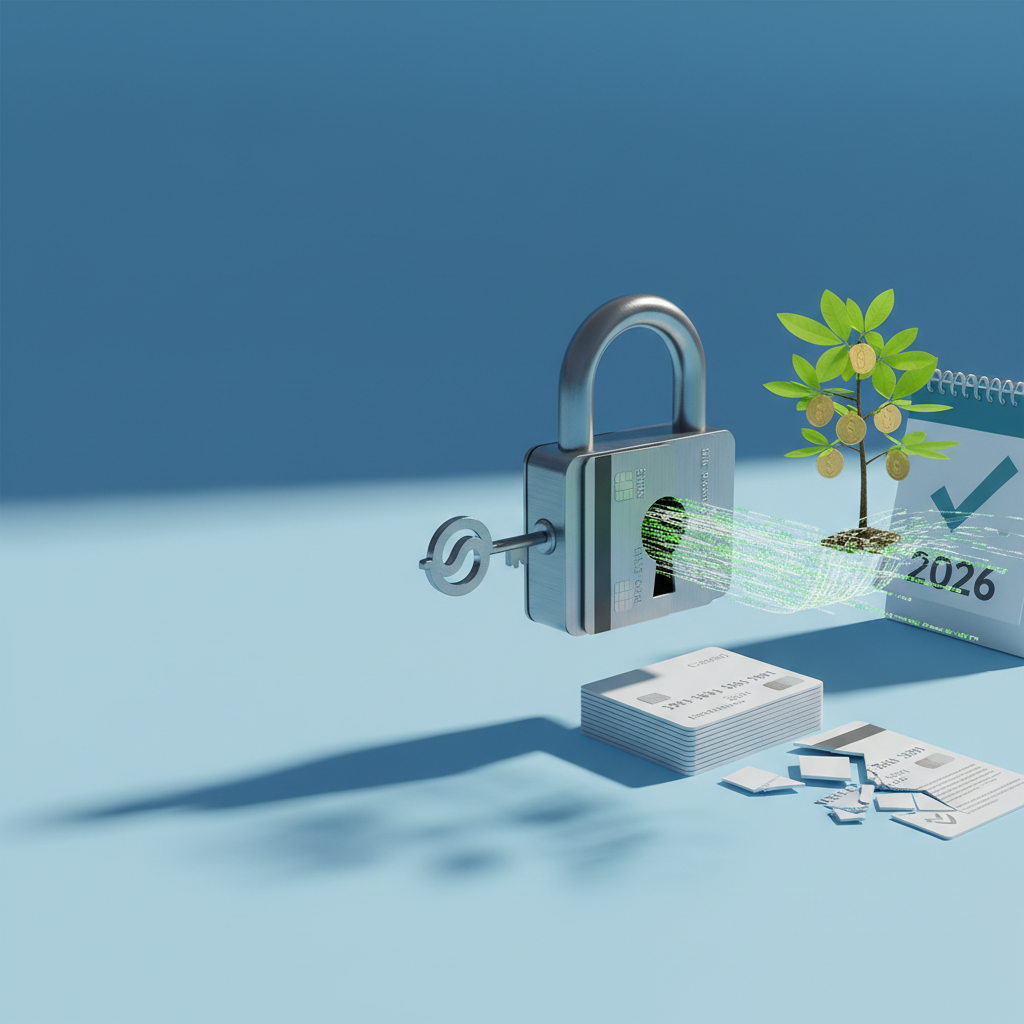
For many Americans, the simple act of opening a bank account can feel like an uphill battle. If you have ever been denied an account due to a history of overdrafts or unpaid fees, you have likely encountered ChexSystems. This consumer reporting agency tracks your banking history, much like a credit bureau tracks your loans. However, there is a path forward through second chance checking accounts no chexsystems that allow you to skip the traditional screening process. In 2026, many financial institutions have recognized that consumers deserve a pathway back to financial stability, offering robust digital tools and fee-free structures even for those with a rocky past.
What are second chance checking accounts no chexsystems exactly?
Second chance checking accounts are specifically designed for individuals who cannot qualify for a standard bank account. Usually, when you apply for a checking account, the bank pulls a report from ChexSystems or Early Warning Services (EWS). If that report shows a history of bounced checks, involuntary account closures, or negative balances, the bank will likely reject your application.
Accounts that use the label "no ChexSystems" simply bypass this report entirely. They may use other methods to verify your identity, such as a traditional credit check or internal risk assessments, but they do not weigh your past banking mistakes as heavily. These accounts serve as a bridge, allowing you to prove you can manage money responsibly. While they sometimes come with monthly fees or lack certain features like paper checks, the modern version of fresh start banking is increasingly competitive. According to the Consumer Financial Protection Bureau (CFPB), inclusive banking options are essential for reducing the number of unbanked households in the United States.
How does ChexSystems work and why does it matter in 2026?
ChexSystems functions as a specialized credit bureau for the banking industry. When you mishandle an account, such as by leaving it with a negative balance for more than 60 days, the bank reports this to the agency. This negative mark can stay on your record for up to five years. In 2026, with the rise of instant digital banking and real-time fraud detection, these reports are more detailed than ever.
If you find yourself on this list, most "Big Four" national banks will automatically decline your business. This creates a cycle of financial exclusion. However, seeking out second chance checking accounts no chexsystems breaks this cycle by providing a fresh slate. It is important to note that even if a bank doesn't use ChexSystems, they still comply with federal safety and soundness regulations. You will still need to provide a Social Security number and government-issued ID to satisfy "Know Your Customer" (KYC) requirements enforced by the FDIC.
Can I still get a bank bonus with these accounts?
Yes, though it is less common for second-chance accounts to offer high-dollar incentives compared to premium accounts. However, some digital banks that do not use ChexSystems often run promotions to attract new users. If you are looking to maximize your initial deposit, you might explore the best checking account sign up bonus no direct deposit 2026 to see which institutions are currently offering rewards for opening new accounts without the typical high-barrier requirements.
Are there monthly fees for second chance checking accounts no chexsystems?
Fee structures vary significantly depending on the bank. Traditional brick-and-mortar banks frequently charge a monthly service fee for second-chance products—often ranging from $5 to $15. Some banks allow you to waive this fee if you maintain a certain balance or set up a recurring direct deposit.
On the flip side, many fintech companies and online-only banks offer no-ChexSystems accounts with zero monthly fees. These institutions make money on interchange fees (what the merchant pays when you swipe your card) rather than nickel-and-diming the customer. When comparing options, always look at the fine print for "hidden" costs such as ATM fees or statement fees. Often, these accounts are simpler than their counterparts. For instance, you might find that while you don't get a checkbook, you do get robust mobile app features that rival even the highest-tier products. If you are debating between different financial tools for 2026, you might find it helpful to read about the checking account vs cash management account comparison to see which fits your lifestyle best.
| Bank Name | Account Type | Monthly Fee | Min. Opening Deposit |
|---|---|---|---|
| Online Neo-Bank A | No-ChexSystems | $0 | $0 |
| Community Credit Union | Second Chance | $5 | $25 |
| National Bank Brand | Freshman Checking | $10 | $50 |
| Digital Mobile App B | No-ChexSystems | $0 | $0 |
| Regional Leader Bank | Opportunity Account | $12 | $100 |
What features should I look for in a fresh start account?
When you are shopping for second chance checking accounts no chexsystems, do not settle for the first one that accepts you. In the competitive 2026 banking environment, you can still find quality features. Look for a mobile app with high ratings, mobile check deposit capabilities, and a large network of surcharge-free ATMs.
One of the most valuable features to seek out is "early direct deposit." This allows the bank to credit your paycheck to your account up to two days before your actual payday. For many people rebuilding their finances, having access to those funds 48 hours early can mean the difference between paying a bill on time or incurring a late fee. You can find a detailed list of institutions offering this in our checking accounts with early direct deposit 2026 guide.
What is the difference between a second chance account and a traditional account?
The primary difference lies in the risk mitigation strategies used by the bank. A traditional account usually provides a checkbook and may allow for overdraft protection. A second-chance account often restricts these features. You might only be allowed to spend what is strictly available in the account, which effectively eliminates the risk of new overdrafts.
Furthermore, many second-chance accounts have lower daily spend limits on the debit card. However, the goal of these accounts is often graduation. Many banks will review your account history after 12 months of clean activity. If you have kept a positive balance and avoided issues, they may automatically transition you to a standard checking account with full features and no monthly fee. This is a critical step in repairing your standing within the Federal Reserve’s consumer banking ecosystem.
How can I verify if a bank is actually "No ChexSystems"?
Banks are not always transparent about which reporting agencies they use. To verify, you can call the bank’s customer service line or check the account disclosure documents on their website. Look for language regarding "account verification" or "credit reporting." If they explicitly state they do not pull consumer reports during the application process, they are likely a no-ChexSystems institution.
It is also worth checking with local credit unions. Credit unions are member-owned and often have more flexible underwriting standards than national corporate banks. Even if they use ChexSystems, they might offer a specific "Fresh Start" program where they overlook old debts if you agree to attend a financial literacy seminar or maintain a small savings balance.
Does opening a second chance account help my credit score?
Generally, no. Most checking accounts do not report your daily activity to the "Big Three" credit bureaus (Equifax, Experian, and TransUnion). Checking accounts are built for liquidity and transactions, not for credit building. If your goal is to build your credit score while also securing a bank account, you might consider a secured credit card or a credit-builder loan alongside your new checking account.
However, failing to handle a second-chance account properly can hurt you further. If you leave an account with a negative balance, that can be reported back to ChexSystems or EWS, extending the time you are locked out of the traditional banking system. Treat your second chance checking as a stepping stone to full financial recovery. Use it to pay bills on time, keep an emergency fund, and eventually move into more advanced financial vehicles like a high yield checking vs savings setup where your money starts working for you through interest.
Can I use these accounts for my business?
If you are a freelancer or a small business owner with a difficult banking history, you may find that opening a business account is even harder than a personal one. Fortunately, the rise of "fintech" for business in 2026 has made it possible to find commercial accounts that do not rely on traditional ChexSystems scores. These accounts focus more on your business revenue and personal identity verification. For more details on business-specific options, check our overview of the best checking accounts for small business 2026.
How do I transition out of second chance banking?
Success in a second chance program is all about consistency. Follow these steps to ensure you graduate back to traditional banking: 1. Direct Deposit: Set up a portion of your paycheck to go into the account. It shows the bank you have a steady income. 2. Avoid Overdrafts: Even if the account allows it, never spend more than you have. Monitor your balance daily using the bank's mobile app. 3. Request a Review: After 12 months, if the bank hasn't moved you to a standard account, ask them to do so. Mention your perfect year of history. 4. Check Your Reports: Once a year, pull your ChexSystems report from their official website. Ensure that old debts that you’ve paid off are marked as "paid" or have aged out and vanished.
Reclaiming your financial dignity through second chance checking accounts no chexsystems is feasible in 2026. With more digital-first banks entering the market, competition is high, and the days of being permanently "blacklisted" from the banking system are largely over if you know where to look.
Frequently asked questions
- Yes, several online banks and fintech platforms have moved away from ChexSystems, favoring proprietary risk models or simply verifying your identity through standard KYC protocols. Some well-known digital banks specifically market themselves as accessible to those with past banking issues.
Related articles
See all →
Fresh Start Banking: Best Second Chance Checking Accounts 2026
Looking for the best second chance checking accounts 2026? Learn how to rebuild your financial history with the top accessible bank accounts despite a ChexSystems record.

Second Chance Checking Accounts: Rebuild Your Finances in 2026
Looking for second chance checking accounts to rebuild your banking history? Our 2026 guide covers the best options, fees, and strategies to get back on track.

What Is Overdraft Protection? A 2026 Guide to Managing Rates and Fees
Wondering what is overdraft protection? Learn how this banking service works in 2026, including common fees, transfer rates, and how to protect your checking account balance.
What is Overdraft Protection? A 2026 Data-Driven Consumer Guide
Wondering what is overdraft protection? Our 2026 deep dive explores how this banking feature works, typical costs, and the data-driven strategies for avoiding unnecessary fees.